Description
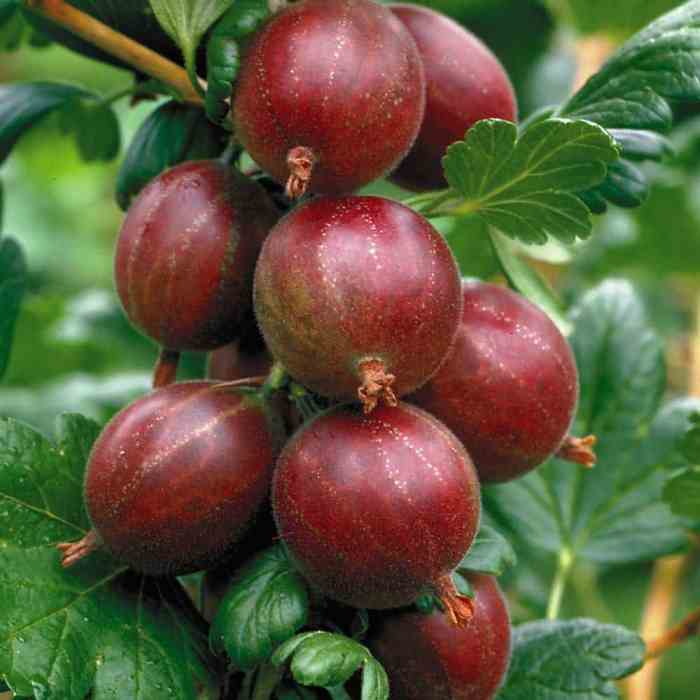
The fruit is aromatic and best used in preserves, syrups, sauces, and infusions rather than as a dessert-style fresh berry. Red Berry is typically chosen for growers who want the visual distinction of red fruit while retaining the defining characteristics that make clove currants resilient, low-input shrubs.
Overview
- Red-fruited selection of clove currant
- Strongly fragrant spring bloom (signature trait)
- Aromatic fruit suited to culinary use
- Adaptable shrub with low-input needs once established
- Shares habit and season with other clove currants
Growing Details
Latin Name: Ribes aureum
Site and Soil: 1/2 day to full day of sun; adaptable to most well-drained soils
Hardiness: USDA Zone 3–8
Rootstock: Grafted
Bearing Age: 1–2 years
Size at Maturity: Typically 5–7 ft tall and wide
Bloom Time: Spring
Ripening Time: Mid to late summer (varies by region)
Pollination: Generally self-fertile; yields may improve with another clove currant planted within 20–30 ft
Pests & Diseases: Generally low; good airflow and drainage support best health
Yield: Moderate to good once established
Additional Notes
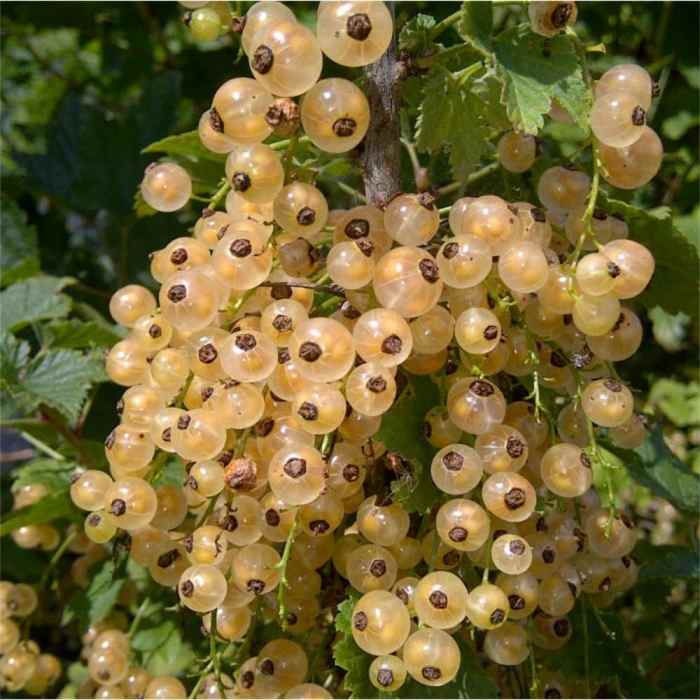
- Grower’s Insight: In clove currants, berry color varies naturally across selections. Red Berry is grown specifically for its red fruit while retaining the fragrance and growth habit typical of the group.
- Regional Insight: Clove currants perform well across the Midwest, Plains, Intermountain West, and much of the Pacific Northwest, where their adaptability often exceeds that of black currants.
- Fruit is best suited to preserves, syrups, sauces, and infusions rather than fresh eating.
- Explore more currants in our collection: Currants