Description
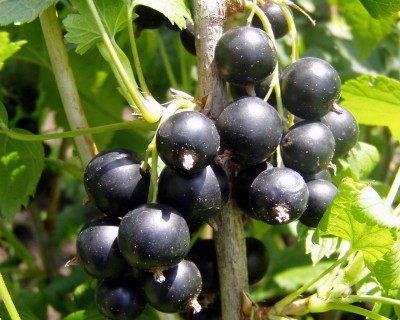
Missouri Giant clove currant is selected for a combination of intense floral fragrance and heavier fruiting than is typical for clove currants. In spring, it produces strongly scented yellow flowers with a pronounced clove aroma. By summer, those flowers develop into dark berries that are larger and more abundant than most clove currant types.
Clove currants (Ribes odoratum) are grown for both aroma and fruit, but they are best understood as aromatic, culinary plants rather than dessert berries. Their fruit is dark, complex, and best used in jams, syrups, wine, and infusions, where the distinctive flavor becomes an asset rather than a challenge. Compared to black currants, clove currants are generally more tolerant of heat, humidity, and variable soils.
Missouri Giant is often noted for pushing the fruiting side of clove currants further than most selections. While fragrance remains the primary draw, growers choose this variety when they want larger berries and a more substantial harvest without sacrificing the defining clove character.
Overview
- Clove currant selection with strong spring fragrance
- Larger fruit than most clove currants
- Dark, aromatic berries for culinary use
- More adaptable than traditional black currants
- Well suited to low-input and mixed-use landscapes
Growing Details
Latin Name: Ribes odoratum
Site and Soil: 1/2 day to full day of sun; adaptable to most well-drained soils
Hardiness: USDA Zone 3–8
Rootstock: Grafted
Bearing Age: 1–2 years
Size at Maturity: Typically 5–7 ft tall and wide
Bloom Time: Spring
Ripening Time: Mid to late summer (varies by region)
Pollination: Generally self-fertile; yields may improve with another clove currant planted within 20–30 ft
Pests & Diseases: Generally low; less susceptible than black currants
Yield: Moderate to good; heavier than most clove currants
Additional Notes
- Grower’s Insight: Among clove currants, Missouri Giant is typically chosen when fruit size and yield matter more than pure ornamental use, while still retaining the defining fragrance of the group.
- Regional Insight: Performs well across the Midwest, Plains, and much of the Pacific Northwest, where clove currants often outshine black currants in durability.
- Fruit is best suited to preserves, syrups, wine, and infusions rather than fresh eating.
- Explore more currants in our collection: Currants