Blood Orange (Moro)

Price range: $79.99 through $159.99

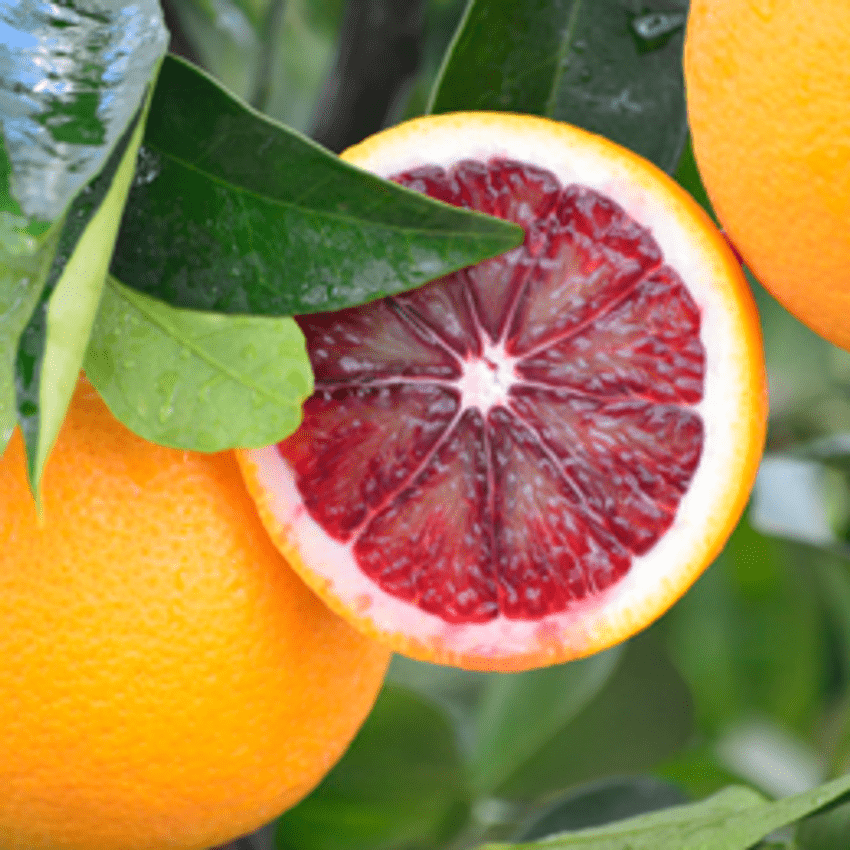
Moro is a classic Sicilian blood orange known for deep color development, bold flavor, and mid-winter harvests.

  • Fruit: Traditional blood orange for fresh eating and juice
  • Flavor: Bright, complex, and more acid-forward than sweeter blood types
  • Season: Mid-winter harvest
  • Pollination: Self-fertile
Add to Wishlist
Add to Wishlist
SKU: Blood Orange (Moro) Categories: , Tag:

Description

Moro is a classic Sicilian blood orange selected for strong pigmentation and pronounced flavor. It is valued for developing deep red flesh under cool winter conditions and for its more acidic, complex profile compared to sweeter blood orange types.

Among traditional blood oranges, Moro is often recognized for its ability to produce darker internal color when night temperatures drop during ripening. While color intensity varies by climate and season, Moro consistently delivers the bright, aromatic flavor that defines blood oranges at their boldest.

The fruit ripens in mid-winter and holds well on the tree, allowing both color and flavor to deepen together. Moro remains one of the reference cultivars for blood orange performance worldwide, prized for authenticity rather than restraint.

Overview

  • Classic Sicilian blood orange with strong anthocyanin expression.
  • Bold, complex flavor with higher acidity than Tarocco types.
  • Often develops deep red flesh when winter nights are cool.
  • Mid-winter ripening season.
  • Self-fertile.

Growing Details

Botanical Name: Citrus sinensis ’Moro’
Origin: Traditional Sicilian blood orange cultivar
Site and Soil: Full sun; well-drained soil
Rootstock: 1-gallon trees on Flying Dragon; larger sizes on C-35
Hardiness: Best suited to USDA Zones 8–11; fruit damage often begins around ~26°F, with increased risk to the tree during prolonged cold below this range
Bearing Age: Often fruits immediately; grafted trees may produce in their first season
Size at Maturity:
Flying Dragon: Compact, container-friendly habit
C-35: Compact to medium-sized citrus tree
Note: Final size is influenced by pruning and container culture.
Bloom Time: Spring (timing varies by climate)
Ripening Time: Mid-winter; typically January to February depending on region
Pollination Requirements: Self-fertile
Pests & Diseases: Similar to other sweet oranges; good airflow and drainage help reduce issues

Additional Notes

  • Grower’s Insight: Moro is best grown where winter nights are cool enough to support anthocyanin development. In the right conditions, it produces some of the darkest-colored blood oranges available.
  • Regional Insight: Cooler winter regions improve internal coloration, though flavor remains strong even in warmer citrus climates.
  • Explore more orange varieties in our collection: Orange Trees
Planting & Care

At a Glance – Moro Blood Orange

  • Sun: 3/4 day to full day of sun
  • Soil: Well-drained soil
  • Soil pH: Performs best between 5.5–6.5
  • Water: Moderate; consistent during establishment
  • Tree Size: Compact to medium depending on rootstock and pruning
  • Pollination: Self-fertile
  • Harvest: Mid-winter
  • Hardiness: Fruit damage often begins around ~26°F; protect trees during prolonged cold

Planting & Care – Moro Blood Orange

Site Selection

  • Select a warm, sunny location to support color and flavor development.
  • South- or west-facing exposures improve performance in cooler winter regions.
  • Good airflow supports healthy foliage.

Soil Preparation (In-Ground vs Container)

  • In-ground: Excellent drainage is essential; raised planting areas help in heavier soils.
  • In-ground: Slightly acidic soil supports nutrient uptake.
  • Container: Use a fast-draining citrus mix with generous drainage.
  • Container: Container growing allows easier winter protection and size control.

Planting Instructions

  1. Dig a hole about twice the width of the root ball, or select a container slightly larger than the root mass.
  2. Set the tree so the root flare sits at or slightly above finished soil or potting mix.
  3. Backfill gently and water thoroughly.
  4. Mulch lightly for in-ground trees, keeping mulch away from the trunk.

Watering (In-Ground vs Container)

  • In-ground, establishment: Keep soil evenly moist during the first growing season.
  • In-ground, established: Deep, periodic watering supports fruit development.
  • Check: Water when soil is dry 3–6 inches below the surface.
  • Container: Water thoroughly, then allow the top couple inches of mix to dry.

Fertilizing

  • Feed with citrus fertilizer in early spring and early summer.
  • Supplement with liquid feeding during active growth if needed.
  • Reduce feeding later in the season to support cold tolerance.

Cold Care

  • Protect trees during freezing weather.
  • In-ground: Use frost cloth and protect the root zone during cold snaps.
  • Container: Move to a sheltered or bright indoor location before hard freezes.

Pruning & Harvest

  • Light pruning maintains shape and airflow.
  • Harvest when fruit reaches full color and winter maturity.