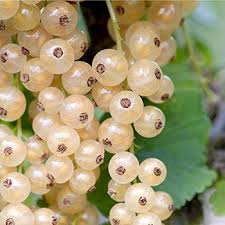
Clove Currant (Crandall)

Price range: $17.99 through $34.99

Crandall clove currant (Ribes odoratum) is known for highly fragrant yellow spring flowers followed by large, jet-black berries in late summer. It’s grown for aroma, ornamental bloom, and fruit that many growers consider among the best-tasting within the clove currant group.

  • Exceptionally fragrant clove-scented spring flowers
  • Dark, aromatic berries valued for culinary use
  • More heat- and humidity-tolerant than black currants
  • Adaptable, durable fruiting shrub
  • Dual-purpose ornamental and edible plant
Add to Wishlist
Add to Wishlist
SKU: Clove Currant (Crandall) Category: Tag:

Description

Crandall clove currant is a distinct type of currant grown as much for its spring bloom as for its fruit. In bloom, the plant produces clusters of yellow flowers with an unusually strong clove-like fragrance. Later in the season, those flowers give way to dark berries valued for aroma and complexity rather than simple sweetness.

Unlike black currants, clove currants are better adapted to heat, humidity, and a wider range of soils. Crandall is one of the best-known selections within this group and is often cited for having higher-quality fruit than most clove currants, especially for preserves, syrups, wine, and infusions.

Overview

  • Clove currant (Ribes odoratum) with intense floral fragrance
  • Yellow spring flowers followed by dark summer fruit
  • Fruit valued for aromatic depth and processing quality
  • More adaptable than traditional black currants
  • Well suited to home growers and low-input landscapes

Growing Details

Latin Name: Ribes odoratum
Site and Soil: 1/2 day to full day of sun; adaptable to most well-drained soils
Hardiness: USDA Zone 3–8
Rootstock: Own-root (propagated from cuttings)
Bearing Age: 1–3 years
Size at Maturity: Typically 5–7 ft tall and wide
Bloom Time: Spring
Ripening Time: Mid to late summer (varies by region)
Pollination: Generally self-fertile; yields may improve with another clove currant planted within 20–30 ft
Pests & Diseases: Generally low; less susceptible than black currants
Yield: Moderate to good once established

Additional Notes

  • Grower’s Insight: Clove currants are often grown first for their fragrance. Crandall stands out within this group for combining an unusually strong bloom scent with better-than-average fruit quality.
  • Regional Insight: Crandall performs well across the Midwest, Plains, and much of the Pacific Northwest
  • Explore more currants in our collection: Currants

Planting & Care

At a Glance – Crandall Clove Currant

  • Sun: 1/2 day to full day of sun
  • Soil: Adaptable; prefers well-drained soil
  • Water: Moderate; drought tolerant once established
  • Size: 5–7 ft tall and wide
  • Fruiting: 1–3 years
  • Hardiness: USDA Zone 3–8

Planting & Care

Site Selection

  • Plant in a location receiving at least half-day sun.
  • Full sun improves flowering and fruit production.
  • Tolerates partial shade better than most fruiting shrubs.

Soil Preparation

  • Adaptable to a wide range of soils.
  • Best performance comes from well-drained soil with moderate organic matter.
  • Avoid consistently waterlogged sites.

Planting Instructions

  • Dig a hole twice as wide as the root system.
  • Set the plant at the same depth it was growing previously.
  • Backfill with native soil and water deeply.
  • Mulch lightly to conserve moisture, keeping mulch away from the stems.

Watering & Fertilizing

  • Water regularly during the first growing season.
  • Once established, clove currants are relatively drought tolerant.
  • Excess nitrogen can reduce flowering; fertilize sparingly if needed.

Pruning & Maintenance

  • Fruit is produced on older wood.
  • Prune lightly, removing only dead or overcrowded branches.
  • Heavy annual pruning is not recommended.

Flowering & Fruiting

  • Highly fragrant spring flowers attract pollinators.
  • Fruit ripens in mid to late summer.
  • Planting a second clove currant nearby can modestly improve yields.

General Tips

  • Grown as much for fragrance as for fruit.
  • Requires less intervention than black currants.
  • Allow plants to mature naturally for best long-term performance.